
Creating a relaxing home office environment is essential for maintaining productivity and well-being, especially as more people work remotely. A well-designed workspace can help reduce stress, improve focus, and boost creativity. Whether you have a dedicated room or a small corner in your home, these tips will guide you in making your workspace both comfortable and functional.
Why a Relaxing Home Office Matters
A home office is more than just a place to work—it’s a space where you spend a significant part of your day. When this area is cluttered, uncomfortable, or uninspiring, it can lead to distractions, fatigue, and lower productivity. On the other hand, a calm and inviting workspace encourages better concentration and provides the mental clarity needed to complete tasks efficiently.
Choose a Quiet and Bright Location
Pick the Right Spot
Ideally, choose a space in your home that is away from high-traffic areas such as the kitchen or living room. This will help minimize noise and interruptions.
Maximize Natural Light
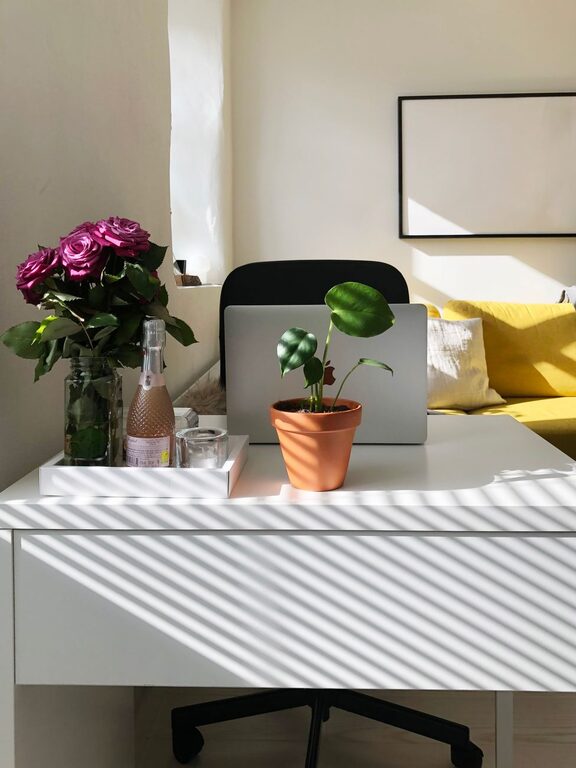
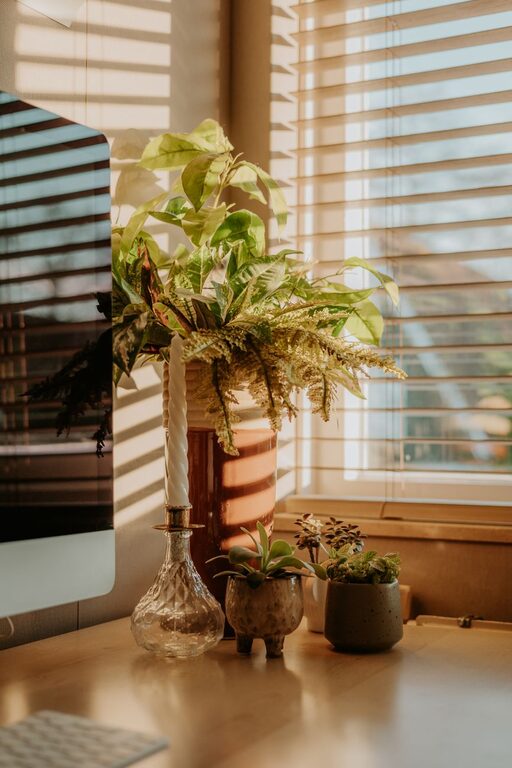
Natural light can improve mood and alertness. Position your desk near a window if possible. If natural light is limited, opt for full-spectrum or daylight-mimicking bulbs to help reduce eye strain and create an inviting atmosphere.
Invest in Comfortable Furniture
Ergonomic Chair
Sitting for long hours demands a supportive chair that promotes good posture. Look for adjustable chairs with lumbar support to prevent back pain.
Suitable Desk Height
Make sure your desk allows your arms to rest comfortably at a 90-degree angle. If you use a computer, your screen should be at eye level to avoid neck strain.
Standing Desk Options
Consider a sit-stand desk to allow flexibility throughout your day. Changing positions can boost circulation and reduce discomfort.
Keep Your Workspace Organized
Declutter Regularly
A tidy desk helps clear your mind. Use drawers, shelves, or storage boxes to keep papers, supplies, and electronics organized.
Minimalist Setup
Limit the number of items on your desk to essentials only. This reduces distractions and creates a calm visual environment.
Cable Management
Keep cords and cables under control with clips or cable organizers to avoid a messy look and potential hazards.
Add Elements That Promote Relaxation
Greenery and Plants
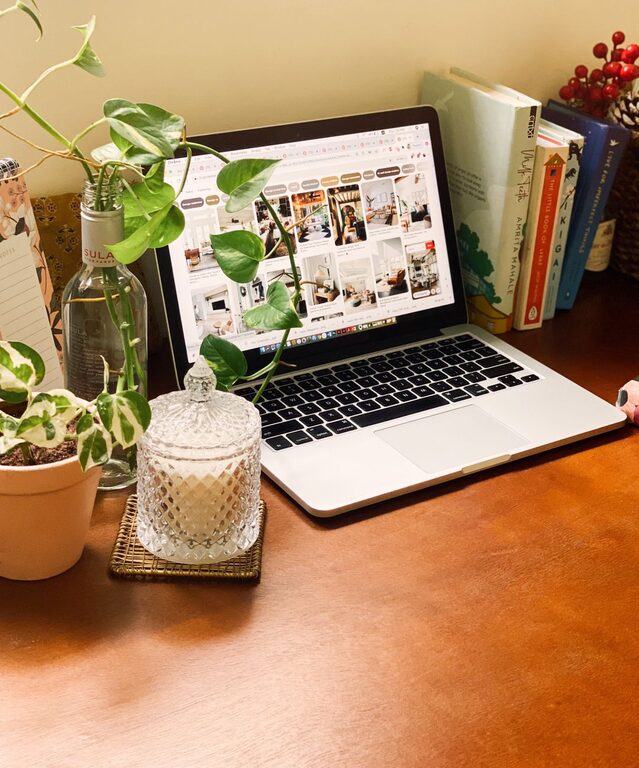
Indoor plants can improve air quality and add a touch of nature that helps reduce stress. Easy-care options include snake plants, succulents, and pothos.
Personal Touches
Incorporate artwork, photos, or meaningful objects that inspire you without overcrowding your space.
Soothing Colors
Choose calming paint colors such as soft blues, greens, or neutral tones. These colors are known to foster relaxation and improve focus.
Improve Air Quality and Comfort
Ventilation
Ensure your workspace is well-ventilated to keep fresh air circulating. Open windows when possible or use an air purifier.
Temperature Control
Maintain a comfortable room temperature. Too hot or too cold can distract you and affect your concentration.
Lighting Options
Besides natural light, use adjustable desk lamps or floor lamps to reduce eye strain, especially during evening hours.
Establish Boundaries and Create a Routine
Separate Work and Home Life
If you don’t have a separate room, try using room dividers or curtains to visually separate your workspace from the rest of your home.
Regular Breaks
Taking short breaks throughout the day helps you recharge and reduce stress. Use timers or apps to remind yourself to step away from your desk.
Set Work Hours
Define your work start and stop times. This boundary will help you maintain a healthy balance between professional and personal life.
Incorporate Technology Wisely
Use Noise-Canceling Headphones
If your environment is noisy, noise-canceling headphones can help you concentrate without distractions.
Quality Equipment
Invest in a good computer, monitor, and peripherals to improve efficiency and reduce frustration.
Useful Apps
Consider productivity apps, digital planners, or meditation apps to support your focus and well-being.
Practice Mindfulness and Personal Wellness
Keep Water Nearby
Staying hydrated supports mental clarity and energy throughout the day.
Stretch and Move
Incorporate stretching or short exercises into your routine to avoid stiffness and boost circulation.
Mindfulness Techniques
Simple breathing exercises, meditation, or calming music can help reduce anxiety and create a peaceful mindset.
—
Creating a relaxing home office is about combining comfort, organization, and personal touches that suit your work style. By following these tips, you can transform your home workspace into a place where productivity and relaxation coexist naturally. With a little attention to lighting, furniture, and atmosphere, your home office can become your best work companion.
About the Author