Creating a relaxing home workspace is essential for maintaining focus, reducing stress, and boosting productivity—especially as many of us continue to spend more time working remotely. A well-designed and comfortable work area can help you stay motivated and make your workdays more enjoyable. Here are some helpful tips to turn your home office into a serene and productive space.
Choose the Right Location
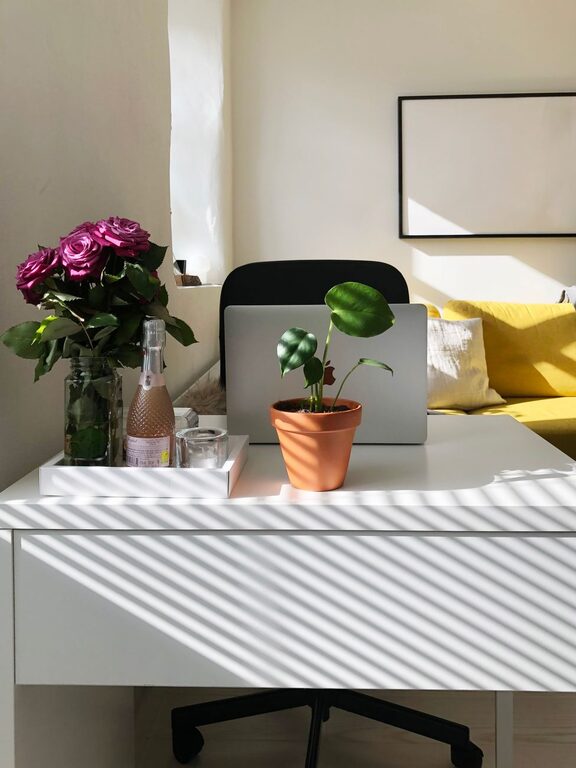
Selecting the ideal spot in your home for your workspace is the first step. Ideally, pick a quiet area with minimal distractions and good natural light. This can be a separate room, a corner in your living room, or even a nook near a window.
– Consider natural light: Sunlight boosts mood and energy levels.
– Avoid high-traffic areas: Choose a place where you won’t be frequently interrupted.
– Ensure a comfortable temperature: Too hot or cold can hurt concentration.
Invest in Comfortable and Functional Furniture
Comfort plays a crucial role in how productive you can be. Invest in an ergonomic chair that supports your posture and a desk at a comfortable height.
– Ergonomic chair: Look for adjustable height, lumbar support, and armrests.
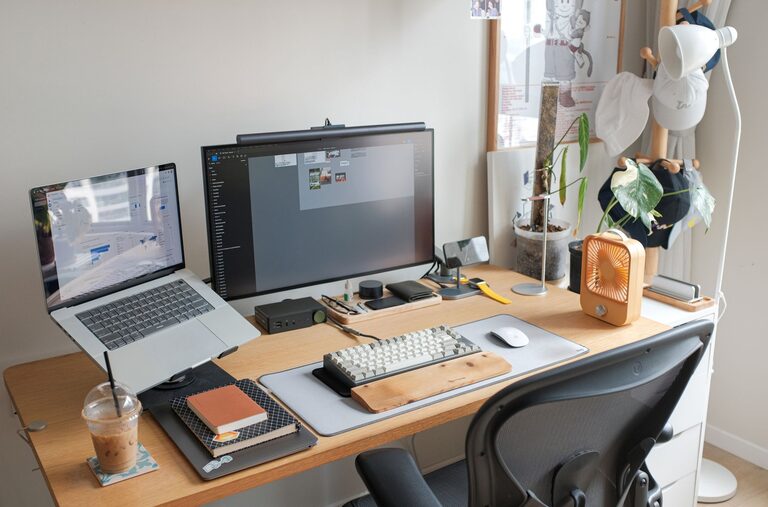
– Desk: Ensure it offers enough space for your computer, keyboard, and other essentials.
– Standing desks or converters: Can be useful for changing positions and reducing fatigue.
Keep Clutter to a Minimum
A tidy workspace helps keep your mind clear. Clutter can cause distraction and increase stress, so organizing your space can improve your ability to focus.
– Use storage solutions: Shelves, drawers, and bins help keep items organized.
– Declutter regularly: Take a few minutes at the end of each day to tidy your desk.
– Limit personal items: Keep only a few meaningful or inspiring objects.
Use Soothing Colors and Decor
The colors and decor in your workspace can influence your mood and productivity. Soft, neutral colors promote relaxation, while some pops of color can inspire creativity.
– Choose calming colors: Light blues, greens, and warm neutrals work well.
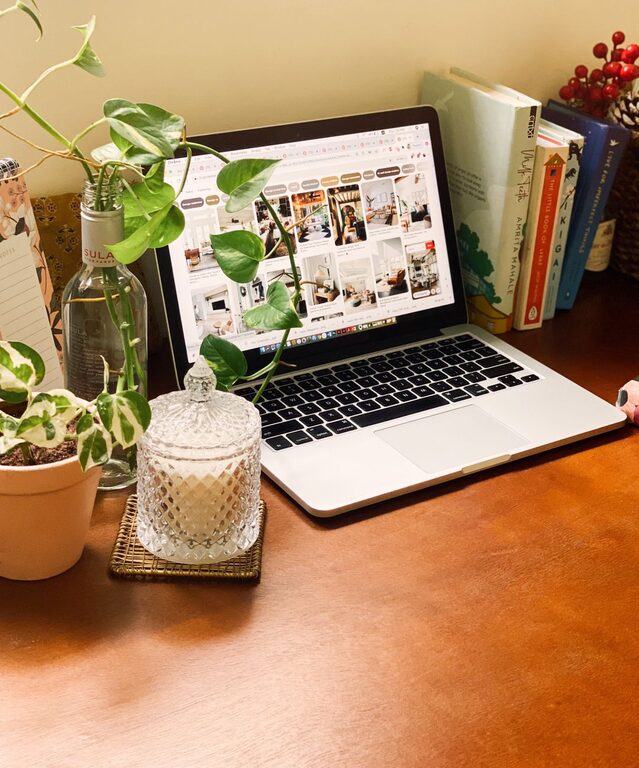
– Add plants: Indoor plants improve air quality and create a peaceful vibe.
– Incorporate personal touches: Photos, artwork, or inspiring quotes can make the space uniquely yours.
Manage Noise Levels
Noise can be a major distraction when working from home. There are a few ways to manage sound to create a more peaceful environment.
– Noise-cancelling headphones: Great for blocking out background noise.
– White noise machines or apps: Can mask distracting sounds.
– Soft furnishings: Rugs and curtains help absorb sound.
Optimize Lighting for Comfort and Focus
Besides natural light, your workspace lighting is vital. Proper lighting reduces eye strain and keeps you alert.
– Use adjustable task lighting: Desk lamps with adjustable brightness are ideal.
– Avoid harsh overhead lights: Soft, diffused lighting is more comfortable.
– Adjust screen brightness: Match your computer screen with the room’s lighting to reduce glare.
Establish a Routine and Boundaries
Creating a relaxing workspace is also about setting clear boundaries between work and home life.
– Set work hours: Keep consistent start and end times.
– Take regular breaks: Step away from your desk to refresh your mind.
– Use your space only for work: Avoid turning your workspace into a spot for other activities.
Incorporate Relaxation Techniques
Adding moments of calm during your workday can improve focus and reduce stress.
– Practice deep breathing: Take a few deep breaths when feeling overwhelmed.
– Use aromatherapy: A subtle scent like lavender can create a relaxing atmosphere.
– Do light stretches: Helps reduce tension and maintain comfort.
Keep Technology Organized
Having your technology in order can reduce frustration and save time.
– Use cable management tools: Clips or sleeves keep cords untangled.
– Keep equipment clean: Regularly wipe down your keyboard and mouse.
– Have backup chargers: Avoid interruptions due to low battery.
Final Thoughts
Creating a relaxing home workspace isn’t just about aesthetics—it’s about designing a space that helps you stay focused, comfortable, and productive. By selecting the right location, investing in comfortable furniture, minimizing clutter, and managing lighting and noise, you can create an environment that supports your work and well-being. Remember to incorporate personal touches and maintain boundaries to keep your work-life balance healthy. With these tips, your home workspace can become a place where productivity and relaxation go hand in hand.
About the Author