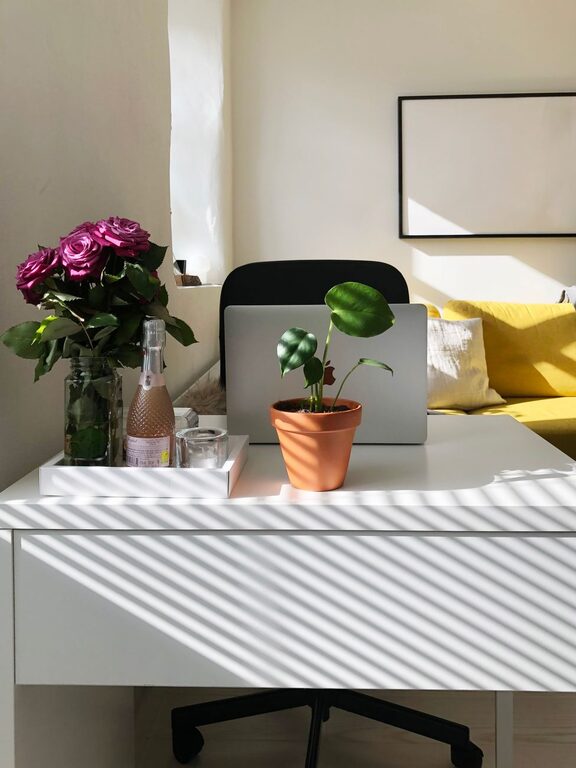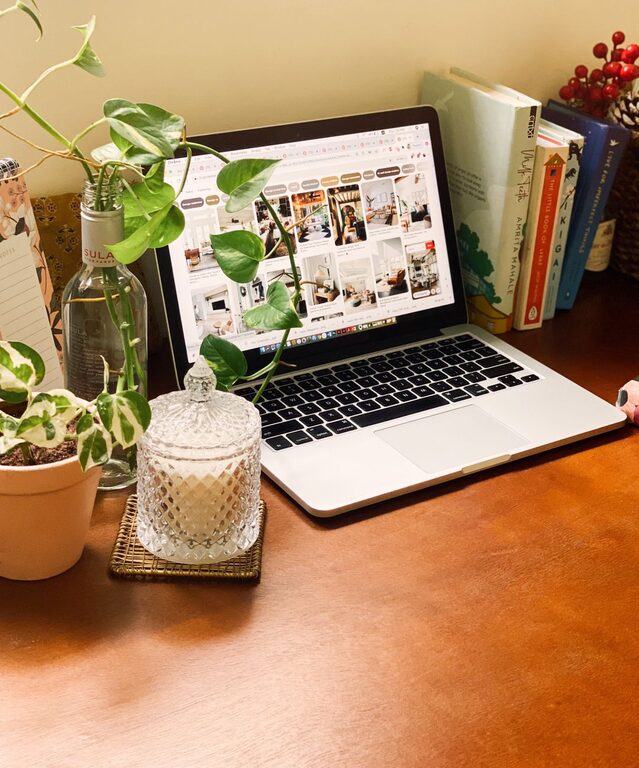
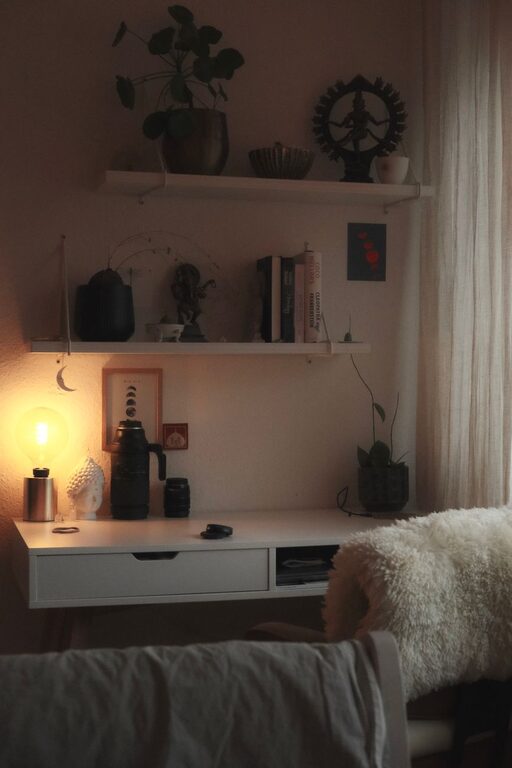
Creating a relaxing home workspace is essential for maintaining productivity and a positive mindset, especially as more people continue working from home. A thoughtfully designed workspace can reduce stress, increase motivation, and help you stay focused throughout the day. In this post, we’ll explore practical tips to transform your home office into a comfortable, inviting, and efficient place to work.
Why a Relaxing Workspace Matters
Your environment has a significant impact on how you feel and perform. A cluttered, noisy, or uncomfortable space can distract you and decrease motivation. Conversely, a relaxing workspace promotes calmness and clarity, making it easier to concentrate and get tasks done effectively.
Choose the Right Spot
Find a Quiet Area
Select a space in your home that is away from distractions like the TV, kitchen noise, or heavy foot traffic. A quiet location helps maintain focus and reduces interruptions.
Consider Natural Light
Natural light has a positive effect on mood and energy levels. Set up your desk near a window to enjoy daylight. If natural light is limited, invest in quality artificial lighting that mimics daylight.
Invest in Comfortable Furniture
Ergonomic Chair and Desk
Since you’ll be spending extended hours at your desk, choose an ergonomic chair that supports your back and encourages good posture. Adjustable desks that allow you to alternate between sitting and standing can also improve comfort and health.
Keep Essentials Within Reach
Organize your workspace so that frequently used items are easily accessible. Avoid clutter on your desk by using storage solutions for supplies and documents.
Personalize Your Space
Adding personal touches can make your workspace feel inviting and motivating.
Use Soothing Colors
Colors can influence your mood. Soft, neutral shades like light blues, greens, or warm neutrals tend to create a calming atmosphere. Consider painting a wall or adding accessories in these colors.
Add Plants
Indoor plants not only improve air quality but also introduce a natural, refreshing vibe to your workspace. Choose easy-to-care-for plants like succulents or pothos.
Display Inspiring Items
Include artwork, photos, or quotes that inspire you or bring you joy. These can serve as positive reminders during busy or challenging moments.
Manage Noise and Distractions
Use Noise-Canceling Headphones
If you can’t find a completely quiet spot, noise-canceling headphones can help block out background sounds, improving concentration.
Play Relaxing Background Music
Some people find that soft instrumental music or nature sounds enhance focus. Experiment to see what works best for you.
Keep It Organized
Declutter Regularly
A clutter-free space reduces stress and makes it easier to find what you need. Set aside time each week to tidy your workspace.
Use Organizational Tools
Desk organizers, filing cabinets, and drawer dividers can help keep papers and supplies orderly.
Incorporate Break Spaces
Even in smaller homes, having a dedicated spot to take breaks can refresh your mind.
Create a Comfortable Corner
Include a cozy chair, cushion, or small sofa nearby. Use this space to stretch, read, or relax during short breaks.
Practice Mindfulness or Stretching
Use your break space for simple mindfulness exercises or light stretching to reduce tension and increase alertness.
Optimize Technology and Connectivity
Reliable Equipment
Ensure your computer, internet connection, and other tech tools are dependable. Connectivity issues can frustrate and waste valuable time.
Manage Cables
Use cable organizers to keep wires tidy and prevent them from cluttering your desk or floor.
Maintain Good Air Quality
Good ventilation contributes to comfort and alertness.
Open Windows
Whenever possible, open windows to allow fresh air circulation.
Use Air Purifiers
Air purifiers can help remove allergens and keep your workspace feeling fresh.
Establish a Routine
Having a consistent work routine can improve productivity and help separate work time from personal time.
Set Regular Hours
Define your start and end times to maintain balance and avoid burnout.
Create Pre-Work Rituals
Simple habits like making a cup of tea or doing a brief meditation before sitting down can set a positive tone for your work session.
Final Thoughts
Designing a relaxing home workspace is about creating an environment where you feel comfortable, focused, and motivated. By carefully choosing your space, investing in comfort, personalizing the area, managing distractions, and keeping things organized, you can boost your productivity and enjoy your work-from-home experience even more. Start with a few of these tips and adjust your workspace as needed to find what works best for you.
About the Author